Neighbourhood
Şişli, Istanbul — the complete neighbourhood guide
Metro, markets, food, coffee, and daily life — everything you need to know about staying in Şişli before you arrive.
Şişli doesn't try to impress you. There's no famous view, no landmark you've seen on a postcard, no single thing that makes it onto a highlights reel. What it has is something harder to photograph: the feeling of being inside a city that's actually working, rather than performing for visitors.
This is the guide we give to guests who ask what it's actually like to stay here.
A short history
Şişli developed as Istanbul expanded northward in the late nineteenth and early twentieth centuries. What had been fields and orchards on the city's edge became one of its main commercial and residential spines — the route that connected the historic peninsula to the newer, more European quarters of Pera and Beyoğlu.
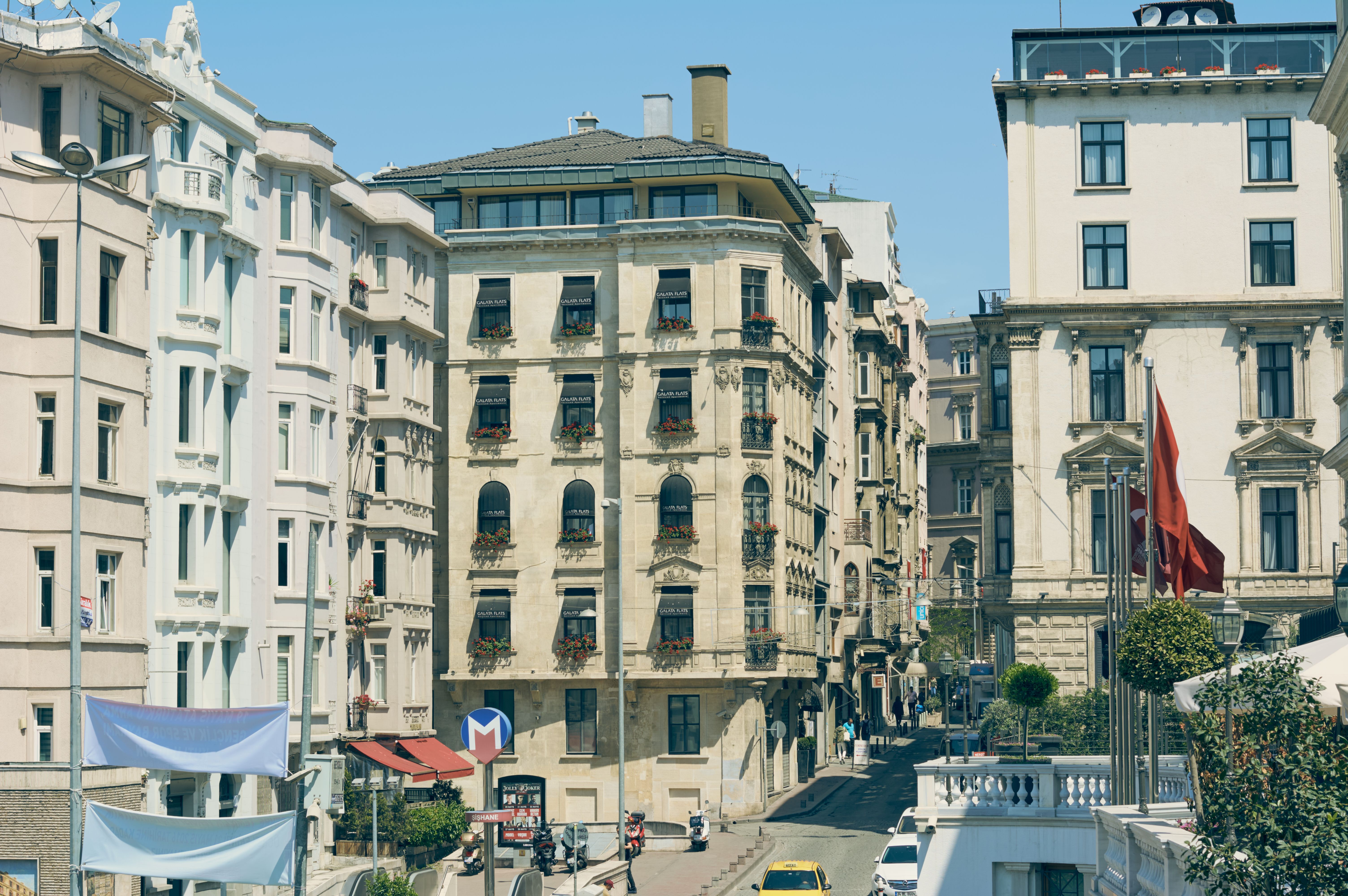
The neighbourhood's character was shaped by waves of migration and commerce. The grand apartment buildings along Halaskargazi Caddesi date from the 1930s and 40s, built when Şişli was considered a prestigious address. Later decades brought more density, more commerce, and the M2 metro line that now defines the neighbourhood's practicality.
What remained through all of this is a working district. Not a tourist zone, not a luxury enclave — a place where people live and work and go about their days.
What Şişli actually feels like
The first thing you notice is the pace. Şişli moves quickly during the week: commuters in the morning, deliveries throughout the day, the steady rhythm of a district that has things to do. Weekday mornings on Halaskargazi Caddesi feel nothing like Sultanahmet at the same hour. There are no tour groups, no touts, no one offering you a carpet tour.
By mid-morning, things settle. The backstreets behind the main boulevard are quiet enough that you can hear your own footsteps. The neighbourhood contains both of these versions of itself simultaneously — the commercial and the residential, the busy and the still.
Evenings are local. The restaurants fill with people who eat there every week, not once in a lifetime. The cafes stay open late. The streets don't empty at nine o'clock the way tourist-heavy areas tend to.
Coffee and daytime
Şişli's coffee scene is functional rather than fashionable — which is exactly what makes it good. There are several solid specialty cafes within walking distance of the main boulevard, busy with remote workers and neighbourhood regulars rather than people who have specifically come to be seen drinking coffee.
Most open early (by 08:00), most have reliable WiFi and power at the tables, and most serve food beyond just pastries. For guests who need to work during their stay, this matters considerably more than having a photogenic latte.
The international chains are also here — Starbucks, Gloria Jean's — but they're not the story. The independent places, a few of which have been operating for over a decade, are worth finding.
Food
Şişli's food scene runs across the full range, which is one of its underrated strengths.
Everyday: Halaskargazi Caddesi and the streets running off it are lined with lokanta (casual Turkish diners), pide shops, lahmacun places, and soup restaurants that operate on local pricing. Lunch for two with drinks rarely exceeds 300–400 TL at these places. The quality is consistently good because the clientele are regulars who would go elsewhere immediately if it weren't.
Mid-range: A growing number of restaurants have opened in the streets between Şişli and Nişantaşı that sit between everyday local and destination dining. Modern Turkish, good fish, a handful of international options. These are the places guests tend to discover on their second or third day and return to.
The Cevahir food court: Useful to mention and easy to overlook. Cevahir Mall is four minutes' walk from the Hexa building, and its food court covers more ground than you'd expect — from fast Turkish to a decent Japanese counter. Not romantic, but practical for a quick meal between sightseeing.
Breakfast: Turkish breakfast in Şişli is very good and very affordable. Several cafes offer the full spread — cheeses, eggs, pastries, vegetables, honey, clotted cream — for 150–250 TL per person. Saturday mornings, a few of the better ones require a short wait. Worth it.
Shopping
Şişli is one of Istanbul's main commercial centres, and it shows.
Cevahir is four minutes on foot: one of the largest shopping malls in Europe by floor area, with the full range of international and Turkish brands. Useful for practical needs (electronics, clothing, pharmacy) as much as browsing.
Nişantaşı is a ten-minute walk south: designer boutiques, independent shops, European-style cafes. A different register entirely from Cevahir — if you're comparing it to a city you know, think the neighbourhood equivalent of Marais or Notting Hill. Worth an afternoon regardless of whether you intend to buy anything.
The Sunday market: Every Sunday, a local market sets up in the Şişli district selling produce, olives, cheese, and household goods. Smaller than the Kadıköy market, but good for picking up food for the week.
Getting around
The M2 metro line is the reason Şişli works so well as a base. The Şişli–Mecidiyeköy station is a five-minute walk from our building, and from there:
- Taksim: 2 stops, 4 minutes
- Levent (business district): 3 stops, 7 minutes
- Gayrettepe (transfer to airport metro): 4 stops, 9 minutes
- Bosphorus ferry terminals: 20 minutes by metro to Kabataş or Beşiktaş
The airport connection is particularly useful: M2 to Gayrettepe, transfer to M11, and you're at Istanbul Airport in around 35 minutes total. No taxi negotiation, no traffic variability.
Walking from Şişli
To Bomonti (8 minutes): The short walk south takes you through quieter residential streets into Bomonti's backstreets. The contrast between the two neighbourhoods — Şişli's commercial energy and Bomonti's slower pace — is noticeable within a few blocks.
To Nişantaşı (10 minutes): South along Vali Konağı Caddesi. The streets transition from Şişli's density to Nişantaşı's tree-lined calm fairly quickly. Worth doing slowly.
To Taksim (20 minutes): Down Cumhuriyet Caddesi, a wide, tree-lined boulevard that's one of the better pedestrian routes in the city. Passes through the edge of Harbiye and deposits you at Taksim Square.
Getting here
From Taksim Square: 2 stops on M2 metro (direction Hacıosman) to Şişli–Mecidiyeköy, then 5 minutes on foot. Or 20 minutes walking up Cumhuriyet Caddesi.
From Istanbul Airport (IST): M11 to Gayrettepe, transfer to M2 (direction Yenikapı), one stop to Şişli–Mecidiyeköy. Total: approximately 40 minutes.
From Sabiha Gökçen Airport (SAW): Havaş bus to Taksim, then metro or walk. Total: 1.5–2 hours depending on traffic.
By taxi: Tell the driver "Şişli Mecidiyeköy" or share the address. Most drivers know the area well.
Who Şişli suits
Şişli works best for visitors who are here for more than a few nights and want to use the city rather than photograph it from a distance.
It's a good fit for:
- Remote workers who need reliable infrastructure — cafes, fast internet, a quiet apartment with a proper workspace
- Families who want practical amenities (supermarkets, pharmacy, park) close to hand
- Visitors here for 5 nights or more who want a functioning neighbourhood rather than a hotel-district experience
- Anyone who prioritises getting around quickly — the metro connection makes the whole city accessible
It's less suited to visitors on a 2–3 night trip focused on Sultanahmet sightseeing. For that, proximity to the monuments matters more than everything Şişli offers.
Staying in Şişli
Hexa Apartments Şişli is a five-minute walk from the metro station, on a residential street in the older part of the neighbourhood. The apartments range from studios to three-bedroom units, all with full kitchens and workspace setups.
We've tried to describe Şişli honestly — if any of the above sounds like what you're looking for, we'd be glad to have you.